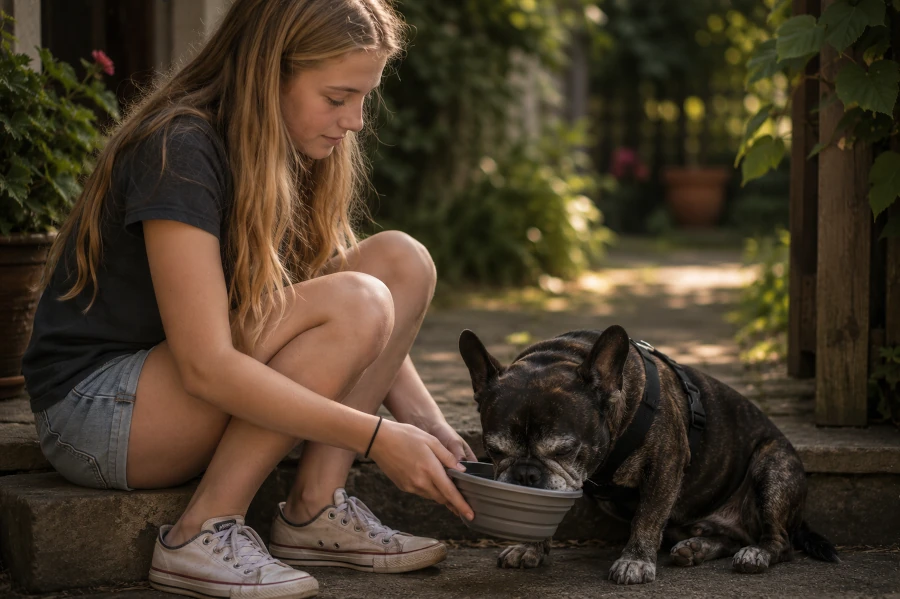
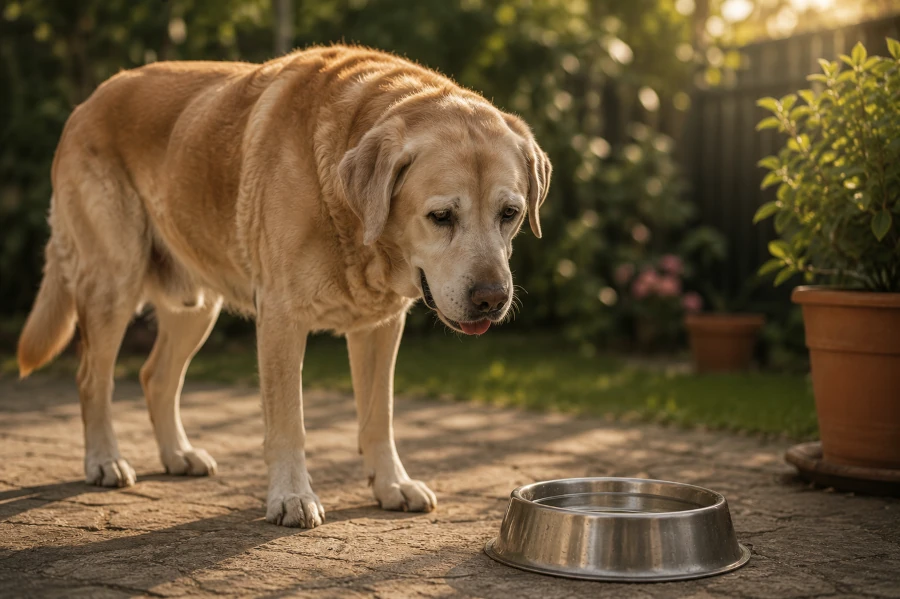
The first sign wasn’t thirst.
That’s what surprised me.
I always assumed dehydration would look obvious. A dog desperately searching for water. Heavy panting. Extreme weakness.
But with my senior dog, it started quietly.
He seemed more tired than usual one afternoon. Slower getting up. Less interested in food. His gums looked slightly dry, though I almost convinced myself I was imagining it.
Then I noticed the water bowl.
It was still nearly full.
That’s when I realized something important:
Older dogs do not always respond to dehydration the way younger dogs do.
And because the signs can appear gradually, dehydration in senior dogs is often underestimated until it becomes more serious.
In this guide we will cover:
- why dehydration is more dangerous in older dogs
- common causes of dehydration
- early warning signs many owners miss
- how dehydration affects the body
- practical things you can do at home
- when dehydration becomes an emergency
Why Senior Dogs Dehydrate More Easily
As dogs age, the body becomes less efficient at maintaining fluid balance.
Several things contribute to this:
- reduced kidney efficiency
- lower water intake
- chronic illness
- medication side effects
- decreased mobility
- reduced appetite
Older dogs may also be less responsive to thirst.
That means they do not always drink enough even when the body needs more fluids.
And because water supports almost every function in the body, even mild dehydration can affect:
- energy
- digestion
- circulation
- temperature regulation
- organ function
This is why dehydration is much more than “not drinking enough.”
Early Signs Many Owners Overlook
Dehydration often begins subtly.
You may notice:
- dry or sticky gums
- lower energy
- reduced appetite
- slower movement
- sunken-looking eyes
- heavier panting
- darker urine
- constipation
- increased sleeping
One of the most misleading signs is that some dogs still appear relatively normal in the early stages.
They may:
- still wag their tail
- still go outside
- still follow routines
But the body is already working harder internally.
And because senior dogs naturally slow down with age, dehydration symptoms are often mistaken for “just getting older,” especially in dogs already showing fatigue and low energy.
Common Causes of Dehydration in Senior Dogs
There are many possible causes.
Sometimes dehydration happens quickly.
Other times, it develops gradually over days or weeks.
Reduced water intake
Some older dogs simply drink less.
This may happen because:
- mobility makes getting to the bowl harder
- smell and appetite decline
- cognitive changes affect routines
Illness
Conditions involving:
- kidneys
- diabetes
- digestive problems
- infections
can increase fluid loss or reduce hydration balance.
Vomiting or diarrhea
Fluid loss can become dangerous surprisingly fast in older dogs.
Heat and weather
Senior dogs tolerate heat less efficiently.
Even moderate temperatures may increase dehydration risk.
Medication side effects
Some medications increase urination or affect thirst and appetite.
Why Mild Dehydration Still Matters
Owners often imagine dehydration as an emergency state only.
But mild dehydration matters too.
Even small fluid deficits can:
- worsen fatigue
- increase weakness
- reduce appetite
- affect digestion
- strain the kidneys
And in senior dogs already dealing with chronic conditions, this added stress can significantly reduce comfort.
A mildly dehydrated dog may not collapse.
He may simply feel worse in subtle ways all day long.
How Dehydration Affects Daily Life
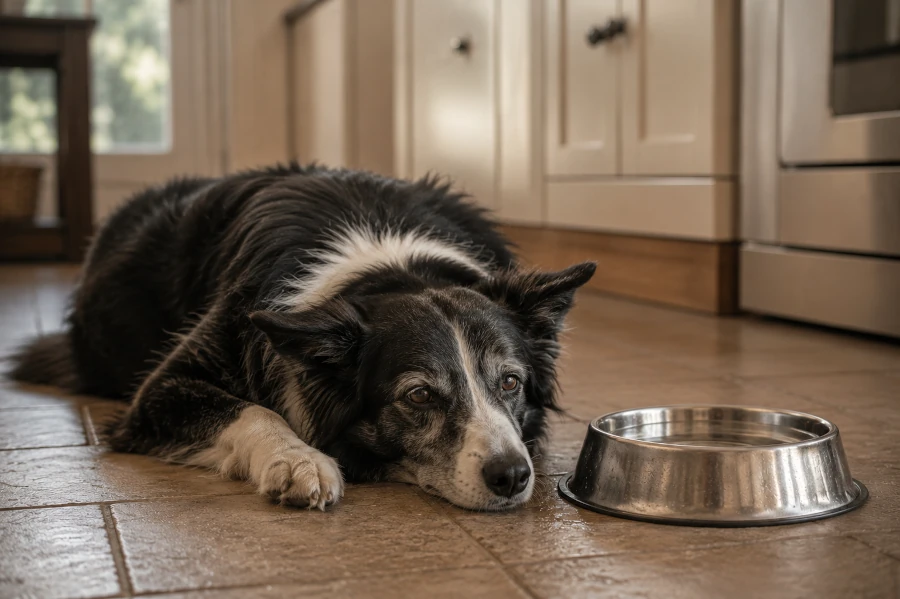
Hydration influences far more than thirst.
When fluid levels drop, ordinary activities become harder.
You may notice your dog:
- tiring more quickly on walks
- resting more often
- moving slower after sleep
- seeming mentally duller
- losing interest in interaction
This happens because every system in the body depends on proper hydration.
Muscles work less efficiently.
Circulation becomes less effective.
Recovery slows down.
And because the changes are gradual, owners often adapt without realizing the underlying cause.
The Connection Between Hydration and Appetite
This creates a frustrating cycle for many senior dogs.
Dehydration can reduce appetite.
But reduced eating also decreases fluid intake, especially in dogs eating mostly dry food.
Then:
- less eating → less hydration
- less hydration → less appetite
Over time, this cycle can accelerate weakness and weight loss.
That’s why hydration and nutrition are closely connected in aging dogs.
Improving one often helps improve the other.
Signs Dehydration May Be Becoming Serious
Some symptoms suggest dehydration is progressing beyond a mild issue.
You should pay close attention if you notice:
- severe lethargy
- refusal to drink
- vomiting
- diarrhea
- rapid breathing
- collapse or instability
- pale gums
- confusion or disorientation
One useful observation is gum moisture.
Healthy gums usually feel:
- moist
- smooth
- slippery
Dry or tacky gums can indicate fluid loss.
But remember:
No single sign tells the entire story.
Patterns matter more than isolated symptoms.
What You Can Do at Home
You cannot treat severe dehydration at home.
But you can support hydration early and consistently.
Make water easier to access
Place bowls:
- near resting areas
- on multiple floors of the home
- in quiet easy-to-reach locations
Refresh water frequently
Some dogs drink more when water feels fresh and cool.
Encourage hydration through food
Wet food or softened meals can increase fluid intake significantly.
This approach can also help dogs dealing with feeding difficulties caused by dental discomfort.
Monitor drinking habits
Pay attention to:
- how often your dog drinks
- sudden increases or decreases
- changes during weather shifts or illness
Support mobility
A dog who struggles to stand or walk may drink less simply because reaching the bowl feels difficult.
This is common in dogs experiencing weakness in the back legs.
Watch during hot weather
Senior dogs often need more careful monitoring during warm months.
Common Mistakes Owners Make
Hydration problems are easy to underestimate.
Waiting for extreme symptoms
By the time dehydration becomes obvious, the dog may already feel significantly unwell.
Assuming water intake is “fine”
Some owners rarely monitor actual drinking behavior.
Ignoring reduced appetite
Eating and hydration are deeply connected.
Using only one water bowl
Accessibility matters much more for senior dogs.
Assuming dehydration only happens in summer
Illness-related dehydration can happen year-round.
When You Should Contact a Vet
You should seek veterinary advice if:
- your dog refuses water
- vomiting or diarrhea continues
- weakness worsens
- confusion appears
- appetite disappears
- urination changes dramatically
- dehydration signs persist despite home support
Some of these symptoms may overlap with signs of pain or physical distress.
Older dogs can decline faster than owners expect once fluid balance becomes unstable.
And because dehydration is often connected to another underlying issue, treating the fluid loss alone may not solve the real problem.
Supporting Hydration Long-Term
Good hydration habits are part of long-term senior dog care.
That means:
- monitoring consistently
- adapting the environment
- responding early to changes
- making hydration easy and routine
Small adjustments often make a bigger difference than owners realize.
A second bowl.
Softer food.
More frequent observation during warm weather.
These things may seem minor.
But they can significantly improve comfort and stability over time.
The Part That’s Easy to Miss
Dehydration rarely announces itself dramatically at first.
It slips quietly into everyday life.
A dog sleeping a little longer.
Moving a little slower.
Eating a little less enthusiastically.
And because those changes overlap so much with aging itself, they are easy to dismiss.
But hydration affects nearly everything.
Energy.
Comfort.
Digestion.
Mental clarity.
Physical stability.
That’s why paying attention matters so much.
Not because every dry gum or missed drink is an emergency.
But because senior dogs depend on observation more than younger dogs do.
They cannot always compensate the way they once could.
And often, caring well for an aging dog is less about reacting to dramatic crises…
and more about noticing the quiet signs before they become bigger problems.